

News
more+- Professor Chen Erfan, a leader of our company, was invited to attend the inauguration ceremony for the new location of Shenyang Zhilang Technology Co., Ltd. and visited its research achievements and new products.
- The 4th Annual Meeting of the Special Committee and the 3rd New Materials Science & Technology Conference Held in Hangzhou
- Professor Chen, a leader of our company, participated in the Standardization Technical Committee of the Chemical Industry and Engineering Society of China.
- Warm Congratulations on Our Company Being Awarded the Certificate of High-Tech Enterprise!
- Chairman Chen Erfan Participated in Liaoning International Rubber Technology Exchange Festival as a Specially Invited Expert.
contact
more+Adhesive
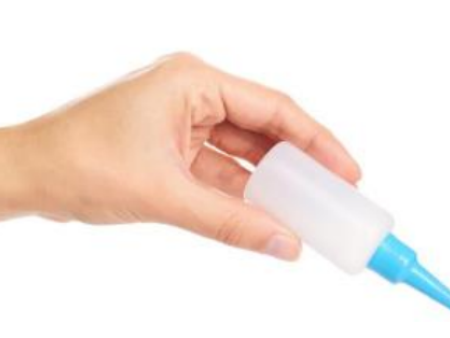
Our company has launched a new line of high-performance grafted neoprene adhesives with significantly higher bonding strength than standard neoprene adhesives.
This one-component, solvent-borne volatile drying adhesive is designed for self-bonding or mutual bonding of metals, plastics, wood, concrete, ceramics, fabrics, leather and more. It also works effectively for non-polar material bonding.
Ideal for a broad range of applications:
Aging-resistant items: wire & cable sheaths
Heat & flame resistant products: heat-resistant conveyor belts, rubber hoses
Oil & chemical corrosion resistant goods: rubber hoses, rubber rollers, industrial fittings
Other uses: adhesive tapes, rubber shoes and various adhesive manufacturing
Technical Properties of Adhesives | ||||
Product | Solid Content / % | Viscosity / mPa·s (@ 20℃) | Shear Strength / kN/m | Peel Strength / N/m |
Neoprene Adhesive | 25 | 2.5 | 1.8 | 3.0 |
This Product | 18 | 2.5 | ≥ 4.0 | ≥ 6 |
For rubber bonding applications | ||||
Super Glue (Cyanoacrylate Adhesive)
A 6 cm² area of this super glue (instant adhesive) can bond objects weighing over 1 ton. Its core active ingredient is cyanoacrylate.
It is a one-component, fully transparent solution adhesive that cures at room temperature with easy operation. It boasts excellent water resistance, oil resistance, as well as acid and alkali resistance.
This adhesive is mainly used for mutual bonding and self-bonding of materials including flexible PVC, synthetic leather, PU artificial leather, butyl rubber, vulcanized rubber, and imitation sheepskin. It also delivers outstanding bonding performance between flexible PVC and metals such as iron plates and steel plates.
Its medical-grade formulation is widely applied in various surgical procedures including traumatic wound treatment, plastic and cosmetic surgery, and family planning surgery. It provides multiple clinical functions such as wound closure, skin grafting, anastomosis of hollow organs, and hemostasis for injuries to the kidney, liver, spleen, lung, pancreas, gastrointestinal tract and other visceral organs.
Technical Properties of High-Performance Instant Adhesive | |
Core Performance Index | Application Advantage |
Viscosity 100~300 mPa·s | Excellent fluidity and coatability, suitable for automatic dispensing and manual construction processes |
Curing Speed 3~5 seconds (@ 25℃) | Ultra-fast room temperature curing, greatly improving on-site assembly and production line operation efficiency |
Shear Strength ≥ 10 MPa (Steel-Steel) | Structural-grade bonding strength, capable of withstanding high static and dynamic loads, meeting the requirements of metal structural parts bonding |
Environmental & Safety Performance | Low environmental pollution, low toxicity |
Epoxy Adhesive
It is widely known as the "universal adhesive" and "high-strength heavy-duty adhesive", boasting a host of exceptional performance characteristics: excellent bonding performance, high adhesive strength, low shrinkage rate, outstanding dimensional stability, superior electrical properties, excellent chemical resistance, easy formulation, simple application process, wide operating temperature range, high adaptability, low toxicity, minimal health hazards, and environmentally friendly properties.
It delivers superior bonding performance on a wide range of materials, and also serves multiple integrated functions including sealing, electrical insulation, leak-proofing, structural fixing, anti-corrosion, and decorative coating. It forms exceptionally strong bonds with various polar materials such as metals, glass, cement, wood, and plastics.
Thanks to these comprehensive advantages, epoxy adhesives have achieved extremely extensive and highly successful applications across a vast spectrum of industries: aviation, aerospace, military industry, automotive manufacturing, construction, general machinery, shipbuilding, electronics, electrical appliances, information technology, chemical engineering, petroleum industry, railway transportation, light industry, agricultural machinery, arts and crafts, sports and leisure products, cultural relic restoration, as well as daily household applications.
Technical Properties of High-Performance Structural Adhesive | ||
Core Performance Index | Standard Value Range | Unit |
Aluminum Alloy Shear Strength | 22.0~25.0 | MPa |
Stainless Steel Shear Strength | 27.0~30.0 | MPa |
Copper Shear Strength | 14.0~17.0 | MPa |
Carbon Steel Tensile Strength | 53.0~60.0 | MPa |
Aluminum Peel Strength | ≥ 0.25 | MPa |
Curing Condition25℃ for 3 hours Test ConditionNormal room temperature Operating Temperature Range-60℃ ~ +160℃ | ||
Polyurethane (PU) Adhesive
Polyurethane (PU) adhesives contain polar groups such as urethane groups, isocyanate groups, and urea groups, which can form covalent bonds and hydrogen bonds with materials bearing active hydrogen. Furthermore, by adjusting the formulation of polyurethane, the adhesives can meet the bonding requirements of various substrates including metals, rubber, plastics, wood, leather, fabrics, paper, glass, and ceramics.
Polyurethane adhesives can be cured either by heating or at room temperature, with a simple bonding process and excellent handling performance. No side reactions occur during the curing process, making the adhesives less prone to generating defects in the adhesive layer.
They can be classified into a wide range of categories: general-purpose type, food packaging grade, footwear grade, paper-plastic lamination type, construction grade, structural type, ultra-low temperature type, foaming type, anaerobic type, conductive type, hot-melt type, pressure-sensitive type, blocked type, water-based type, as well as sealing grade polyurethane adhesives.
Technical Properties of High-Performance Industrial Adhesive | |||
Core Performance Index | Standard Value Range | Unit | Remarks |
Appearance | Light Yellow and Transparent | - | Compliant with visual inspection standards for industrial adhesives |
Viscosity (@ 20℃) | 2~4 | mPa·s | Test method complies with ISO 2555 international standard |
Density | 0.9~1.32 | g/cm³ | The original text has a unit typo, corrected to the standard density unit for liquid materials |
Solvent Insolubles Content | 53.0~60.0 | % | Standard test index for solvent-based adhesives, reflecting the solid content of effective bonding components |
Bonding Strength | ≥ 4 | MPa | Core mechanical performance index, test method complies with ISO 4587 international standard |
Curing Condition100℃ for 2 hours Storage ConditionStore in a cool, dry place away from light at 5-25℃ Shelf Life18 months (under specified storage conditions) | |||
Silicone Adhesive
Silicone adhesives can be divided into two main categories by molecular structure: silicone resin adhesives and silicone rubber adhesives. By curing method, they are classified into three types: condensation type, addition type, and polymerization type. By curing temperature, they can be further categorized into three classes: high-temperature curing type, low-temperature curing type, and room-temperature curing type.
These adhesives feature excellent high and low temperature resistance, water resistance, corrosion resistance, and atmospheric weathering resistance. They can be formulated and compounded from silicone resin solution or silicone rubber, combined with fillers, crosslinking agents, catalysts, and other functional additives.
Silicone adhesives are suitable for the bonding and sealing of metal, ceramic, glass, and plastic components, and are widely applied in aerospace, aviation, electronics and electrical appliances, construction, medical and health care, and other industrial sectors.
Technical Properties of High-Performance Insulating Structural Adhesive | |||
Core Performance Index | Standard Value | Unit | International Test Standard Reference |
Tensile Strength | ≥ 1.10 | MPa | ISO 527-2 / ASTM D638 |
Elongation at Break | ≥ 150 | % | ISO 527-2 / ASTM D638 |
Shear Strength of Aluminum Bonded Parts | ≥ 1.10 | MPa | ISO 4587 / ASTM D1002 |
Surface Resistance | ≥ 5×10¹² | Ω | IEC 60093 / ASTM D257 |
Breakdown Voltage | ≥ 165 | V/m | IEC 60243-1 / ASTM D149 |
Dielectric Constant | 3.00 ± 0.4 | - | IEC 60250 / ASTM D150 |
Operating Temperature Range | -60 ~ +150 | ℃ | ISO 10964 / ASTM D1002 |
Tack-Free Time 20 ~ 30 minutes Full Curing Time 20 hours at room temperature | |||
Inorganic Adhesive (Ceramic Adhesive)
Inorganic adhesives, also commonly referred to as ceramic adhesives, are bonding agents formulated from inorganic salts/acids/alkalis, metal oxides and hydroxides. The primary categories include phosphate-based, silicate-based, borate-based and sulfate-based adhesives.
These adhesives are typically in paste form, water-soluble, pollution-free and non-flammable, with high bonding strength and low production cost. They deliver outstanding high and low temperature resistance, oil resistance, radiation resistance and long-term aging resistance. However, they have limitations including poor acid and alkali resistance, high brittleness, and are not suitable for lap jointing or butt jointing applications; socket jointing is the recommended joining method for these adhesives.
Technical Properties of High-Temperature Resistant Inorganic Structural Adhesive | |||
Core Performance Index | Standard Value | Unit | International Test Standard Reference |
Flexural Strength | ≥ 9 | MPa | ISO 14704 / ASTM C1161 |
Compressive Strength | ≥ 20 | MPa | ISO 14705 / ASTM C773 |
Shear Strength | ≥ 1.6 | MPa | ISO 4587 / ASTM D1002 |
Temperature Resistance Limit | 1600 | ℃ | ISO 10964 / ASTM D1002 |
Linear Shrinkage Rate | ≤ 10 | % | ISO 14703 / ASTM C326 |
Bulk Density | ≥ 2.2 | g/cm³ | ISO 14701 / ASTM C373 |
Modified Neoprene Adhesive (Professional English Translation for Technical Documentation)
Our company has developed a series of high-performance grafted neoprene adhesives, whose bonding strength is far superior to that of conventional neoprene adhesives. It is a one-component solvent-borne volatile drying adhesive, developed for the self-bonding or mutual bonding production of diverse substrates including metals, plastics, wood, concrete, ceramics, fabrics and leather.
This adhesive is also suitable for the bonding of non-polar materials, and can be widely applied to the following products:
Aging-resistant products: such as wire and cable sheaths;
Heat-resistant and flame-retardant products: such as heat-resistant conveyor belts and rubber hoses;
Oil-resistant and chemical corrosion-resistant products: such as rubber hoses, rubber rollers and related industrial fittings;
Other products: including adhesive tape products, rubber shoes and various other adhesive applications.
Technical Properties of High-Performance Neoprene Adhesive for Natural Rubber Bonding | ||||
Product | Solid Content / % | Viscosity / mPa·s (@ 20℃) | Shear Strength / kN/m | Peel Strength / N/m |
Conventional Neoprene Adhesive | 25 | 2.5 | 1.8 | 3.0 |
This Product | 18 | 2.5 | ≥ 4.0 | ≥ 6 |
For natural rubber bonding applications. | ||||
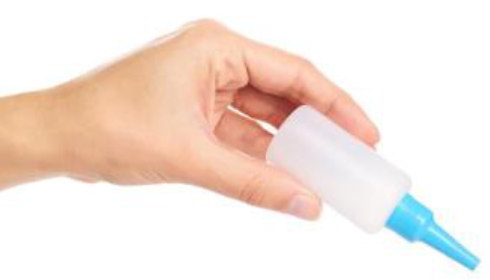
Super Glue (Cyanoacrylate Adhesive)
A 6 cm² area of this super glue (instant adhesive) can bond objects weighing over 1 ton. Its core active ingredient is cyanoacrylate.
It is a one-component, fully transparent solution adhesive that cures at room temperature with easy operation. It boasts excellent water resistance, oil resistance, as well as acid and alkali resistance.
This adhesive is mainly used for mutual bonding and self-bonding of materials including flexible PVC, synthetic leather, PU artificial leather, butyl rubber, vulcanized rubber, and imitation sheepskin. It also delivers outstanding bonding performance between flexible PVC and metals such as iron plates and steel plates.
Its medical-grade formulation is widely applied in various surgical procedures including traumatic wound treatment, plastic and cosmetic surgery, and family planning surgery. It provides multiple clinical functions such as wound closure, skin grafting, anastomosis of hollow organs, and hemostasis for injuries to the kidney, liver, spleen, lung, pancreas, gastrointestinal tract and other visceral organs.
Technical Properties of High-Performance Cyanoacrylate Instant Adhesive (Super Glue) | |
Core Performance Index | Standard Specification |
Viscosity | 100~300 mPa·s |
Curing Speed | 3~5 seconds (@ 25℃) |
Shear Strength | ≥ 10 MPa (Steel-Steel) |
Environmental & Safety Performance | Low environmental pollution, low toxicity |
Epoxy Adhesive
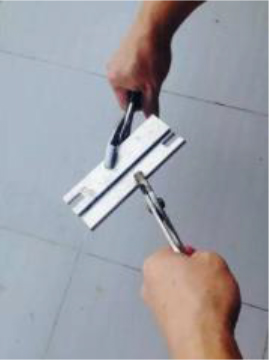
It is widely known as the "universal adhesive" and "high-strength heavy-duty adhesive", boasting a host of exceptional performance characteristics: excellent bonding performance, high adhesive strength, low shrinkage rate, outstanding dimensional stability, superior electrical properties, excellent chemical resistance, easy formulation, simple application process, wide operating temperature range, high adaptability, low toxicity, minimal health hazards, and environmentally friendly properties.
It delivers superior bonding performance on a wide range of materials, and also serves multiple integrated functions including sealing, electrical insulation, leak-proofing, structural fixing, anti-corrosion, and decorative coating. It forms exceptionally strong bonds with various polar materials such as metals, glass, cement, wood, and plastics.
Thanks to these comprehensive advantages, epoxy adhesives have achieved extremely extensive and highly successful applications across a vast spectrum of industries: aviation, aerospace, military industry, automotive manufacturing, construction, general machinery, shipbuilding, electronics, electrical appliances, information technology, chemical engineering, petroleum industry, railway transportation, light industry, agricultural machinery, arts and crafts, sports and leisure products, cultural relic restoration, as well as daily household applications.
Technical Properties of High-Performance Industrial Structural Adhesive | |||
Core Performance Index | Standard Value Range | Unit | International Test Standard Reference |
Shear Strength (Aluminum Alloy) | 22.0~25.0 | MPa | ISO 4587 / ASTM D1002 |
Shear Strength (Stainless Steel) | 27.0~30.0 | MPa | ISO 4587 / ASTM D1002 |
Shear Strength (Copper) | 14.0~17.0 | MPa | ISO 4587 / ASTM D1002 |
Tensile Strength (Carbon Steel) | 53.0~60.0 | MPa | ISO 527-2 / ASTM D638 |
Peel Strength (Aluminum) | ≥ 0.25 | MPa | ISO 8510-1 / ASTM D903 |
Curing Condition 25℃ for 3 hours Test Condition Normal room temperature Operating Temperature Range -60℃ ~ +160℃ | |||
Polyurethane (PU) Adhesive
Polyurethane (PU) adhesives contain polar groups such as urethane groups, isocyanate groups, and urea groups, which can form covalent bonds and hydrogen bonds with materials bearing active hydrogen. Furthermore, by adjusting the formulation of polyurethane, the adhesives can meet the bonding requirements of various substrates including metals, rubber, plastics, wood, leather, fabrics, paper, glass, and ceramics.
Polyurethane adhesives can be cured either by heating or at room temperature, with a simple bonding process and excellent handling performance. No side reactions occur during the curing process, making the adhesives less prone to generating defects in the adhesive layer.
They can be classified into a wide range of categories: general-purpose type, food packaging grade, footwear grade, paper-plastic lamination type, construction grade, structural type, ultra-low temperature type, foaming type, anaerobic type, conductive type, hot-melt type, pressure-sensitive type, blocked type, water-based type, as well as sealing grade polyurethane adhesives.
Technical Properties of High-Performance Industrial Adhesive | |||
Core Performance Index | Standard Value Range | Unit | International Test Standard Reference |
Appearance | Light Yellow and Transparent | - | ISO 10360 (Adhesive Appearance Test Standard) |
Viscosity (@ 20℃) | 2~4 | mPa·s | ISO 2555 / ASTM D1084 |
Density | 0.9~1.32 | g/cm³ | ISO 1183 (Density Test for Non-Cellular Plastics) |
Solvent Insolubles Content | 53.0~60.0 | % | ASTM D2911 (Solvent Insolubles Test for Adhesives) |
Bonding Strength | ≥ 4 | MPa | ISO 4587 / ASTM D1002 |
Curing Condition 100℃ for 2 hours Storage Condition Store in a cool, dry place away from light at 5-25℃ Shelf Life 18 months (under specified storage conditions) | |||
Silicone Adhesive
Silicone adhesives can be divided into two main categories by molecular structure: silicone resin adhesives and silicone rubber adhesives. By curing method, they are classified into three types: condensation type, addition type, and polymerization type. By curing temperature, they can be further categorized into three classes: high-temperature curing type, low-temperature curing type, and room-temperature curing type.
These adhesives feature excellent high and low temperature resistance, water resistance, corrosion resistance, and atmospheric weathering resistance. They can be formulated and compounded from silicone resin solution or silicone rubber, combined with fillers, crosslinking agents, catalysts, and other functional additives.
Silicone adhesives are suitable for the bonding and sealing of metal, ceramic, glass, and plastic components, and are widely applied in aerospace, aviation, electronics and electrical appliances, construction, medical and health care, and other industrial sectors.
Technical Properties of High-Performance Silicone Insulating Structural Adhesive | |||
Core Performance Index | Standard Value | Unit | International Test Standard Reference |
Tensile Strength | ≥ 1.10 | MPa | ISO 527-2 / ASTM D638 |
Elongation at Break | ≥ 150 | % | ISO 527-2 / ASTM D638 |
Shear Strength of Aluminum Bonded Parts | ≥ 1.10 | MPa | ISO 4587 / ASTM D1002 |
Surface Resistance | ≥ 5×10¹² | Ω | IEC 60093 / ASTM D257 |
Breakdown Voltage | ≥ 165 | V/m | IEC 60243-1 / ASTM D149 |
Dielectric Constant | 3.00 ± 0.4 | - | IEC 60250 / ASTM D150 |
Operating Temperature Range | -60 ~ +150 | ℃ | ISO 10964 / ASTM D1002 |
Tack-Free Time 20 ~ 30 minutes Full Curing Time 20 hours at room temperature | |||
Inorganic Adhesive (Ceramic Adhesive)
Inorganic adhesives, also commonly referred to as ceramic adhesives, are bonding agents formulated from inorganic salts/acids/alkalis, metal oxides and hydroxides. The primary categories include phosphate-based, silicate-based, borate-based and sulfate-based adhesives.
These adhesives are typically in paste form, water-soluble, pollution-free and non-flammable, with high bonding strength and low production cost. They deliver outstanding high and low temperature resistance, oil resistance, radiation resistance and long-term aging resistance. However, they have limitations including poor acid and alkali resistance, high brittleness, and are not suitable for lap jointing or butt jointing applications; socket jointing is the recommended joining method for these adhesives.
Technical Properties of Ultra-High Temperature Resistant Inorganic Structural Adhesive | |||
Core Performance Index | Standard Value | Unit | International Test Standard Reference |
Flexural Strength | ≥ 9 | MPa | ISO 14704 / ASTM C1161 |
Compressive Strength | ≥ 20 | MPa | ISO 14705 / ASTM C773 |
Shear Strength | ≥ 1.6 | MPa | ISO 4587 / ASTM D1002 |
Temperature Resistance Limit | 1600 | ℃ | ISO 10964 / ASTM D1002 |
Linear Shrinkage Rate | ≤ 10 | % | ISO 14703 / ASTM C326 |
Bulk Density | ≥ 2.2 | g/cm³ | ISO 14701 / ASTM C373 |
All technical indicators are measured at 1600℃ high temperature environment. | |||